
Scholarship

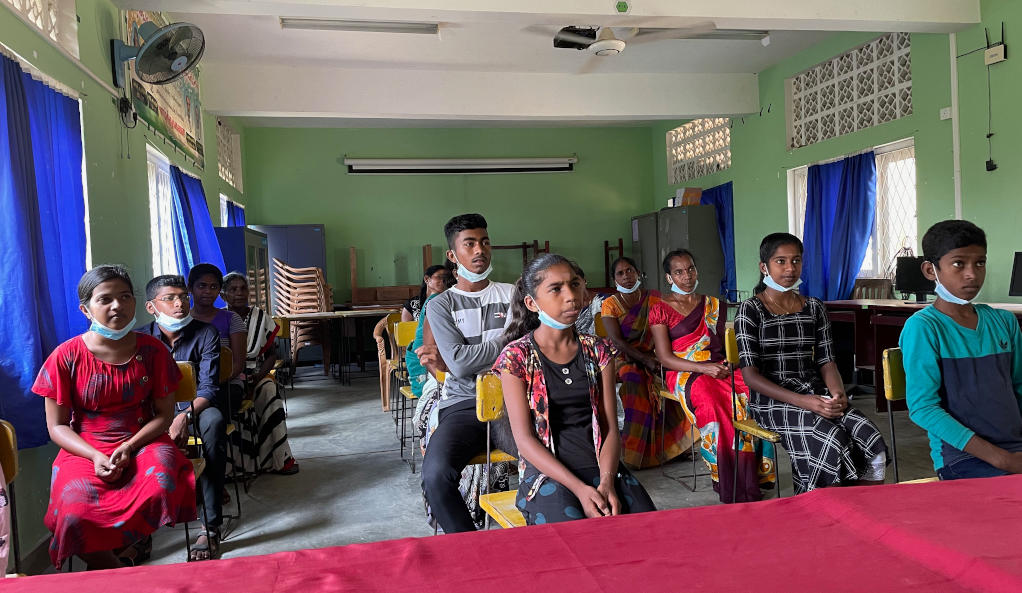
Many families need financial support to be able to send their children to school. To enable children to get a secondary education, Lankahelp grants a monthly scholarship of currently CHF 30.00 on average to children, juveniles and students at A-level, at universities and for vocational training, in addition to financial contributions from family and relatives. As of Sept. 2020, 153 schoolchildren and students are supported.

School fees – The State pays school fees from primary school up to university level. From primary school up to and including O-Level, the state pays also for school books and school uniforms. All other costs have to be covered by parents and relatives or from other sources. There are primary schools in most villages. Junior Secondary and Senior Secondary School can usually only be attended in regional schools. For the Collegiate Level (A-Level) young people have to leave the village, as colleges are generally only available in larger cities.

Reasons for dropping out of school – Some parents in rural areas send their children to elementary school (up to grade 5), but afterwards they, like their parents, have to work in tea or rubber plantations and contribute to the family’s livelihood. Other reasons are often apparently simpler problems, such as long distances to school and too little income to pay for school materials, sewing school uniforms, buying shoes, socks and ties, as well as bus or three-wheeler costs. As there are often only primary schools in the villages, additional accommodation and food costs have to be paid for children who live in remote areas and have no choice but to stay at school during the week.

Another reason for dropping out of school early is the cost of additional or extra tuition. Teachers in rural areas are often not very well trained, which means that “normal lessons” are often not sufficient for graduation. Many parents cannot afford the necessary additional or extra tuition.

Further reasons for dropping out of school early include the costs associated with supplementary or private tuition. Teachers in rural areas are often not very well qualified, meaning that ‘standard lessons’ are frequently insufficient to pass a final exam. Supplementary or private tuition is therefore necessary, but many parents cannot afford it.
Our visit 2026

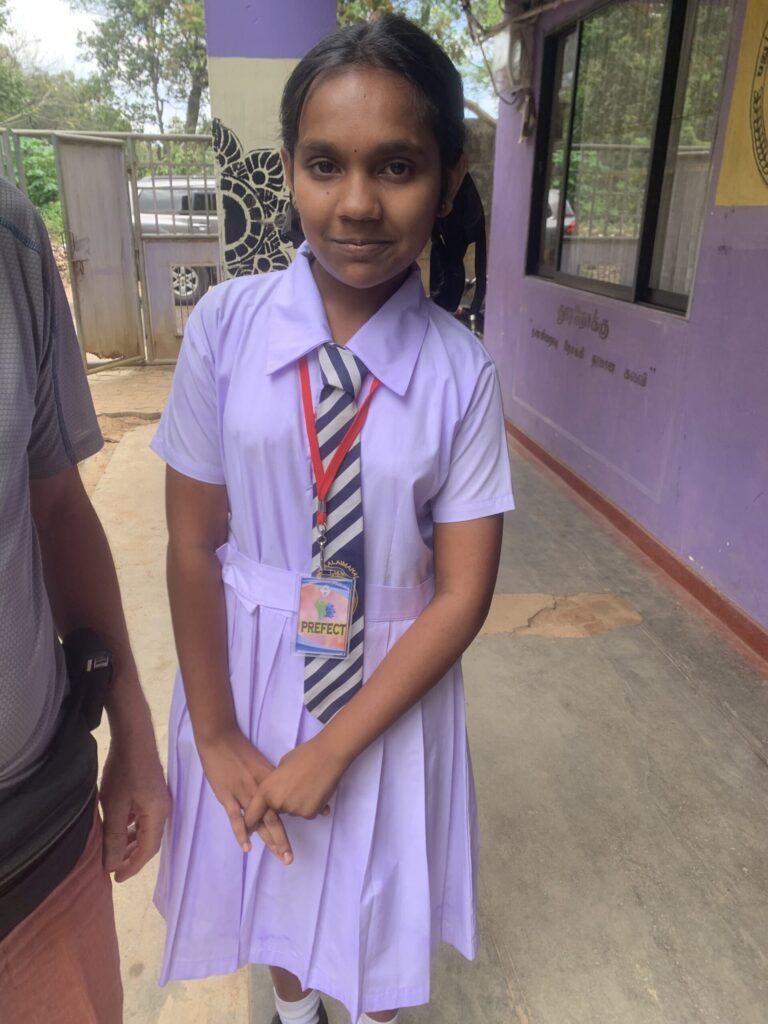
Little has changed in Lankahelp’s scholarship programme over the past year – and that is a good sign. We continue to support children and young people from the first year of primary school through to university graduation. School heads contact Lankahelp to apply for scholarships for children from families who would otherwise struggle to afford their children’s education.

Raja, our on-site project manager, works with other members of the foundation to assess families’ circumstances and decide on the allocation of scholarships. Our aim remains to give all children the chance to receive an education – including pupils who need extra support at school. We are convinced that reading and writing are fundamental skills that will make their future lives easier.

It is particularly satisfying that, once again this year, many of our scholarship holders have passed their O-Level and A-Level exams with good results. Some have successfully completed their A-Levels, thereby achieving an important milestone on the path to university study.

However, the long wait for a university place in Sri Lanka remains a major challenge. For several of our graduates, a place at a state university will not become available until the end of 2027 at the earliest. Until then, many are using the time to undertake practical training placements, take courses or support their families by working.

It is particularly rewarding for us to see the lasting impact of the scholarship programme. Again and again, we meet former scholarship holders who are now succeeding in their careers and who, through their education, have positively transformed not only their own futures but also those of their families. These success stories reinforce our commitment to continue on this path and to provide access to education for as many children and young people as possible in the future.